


2026 WDHS COURSES
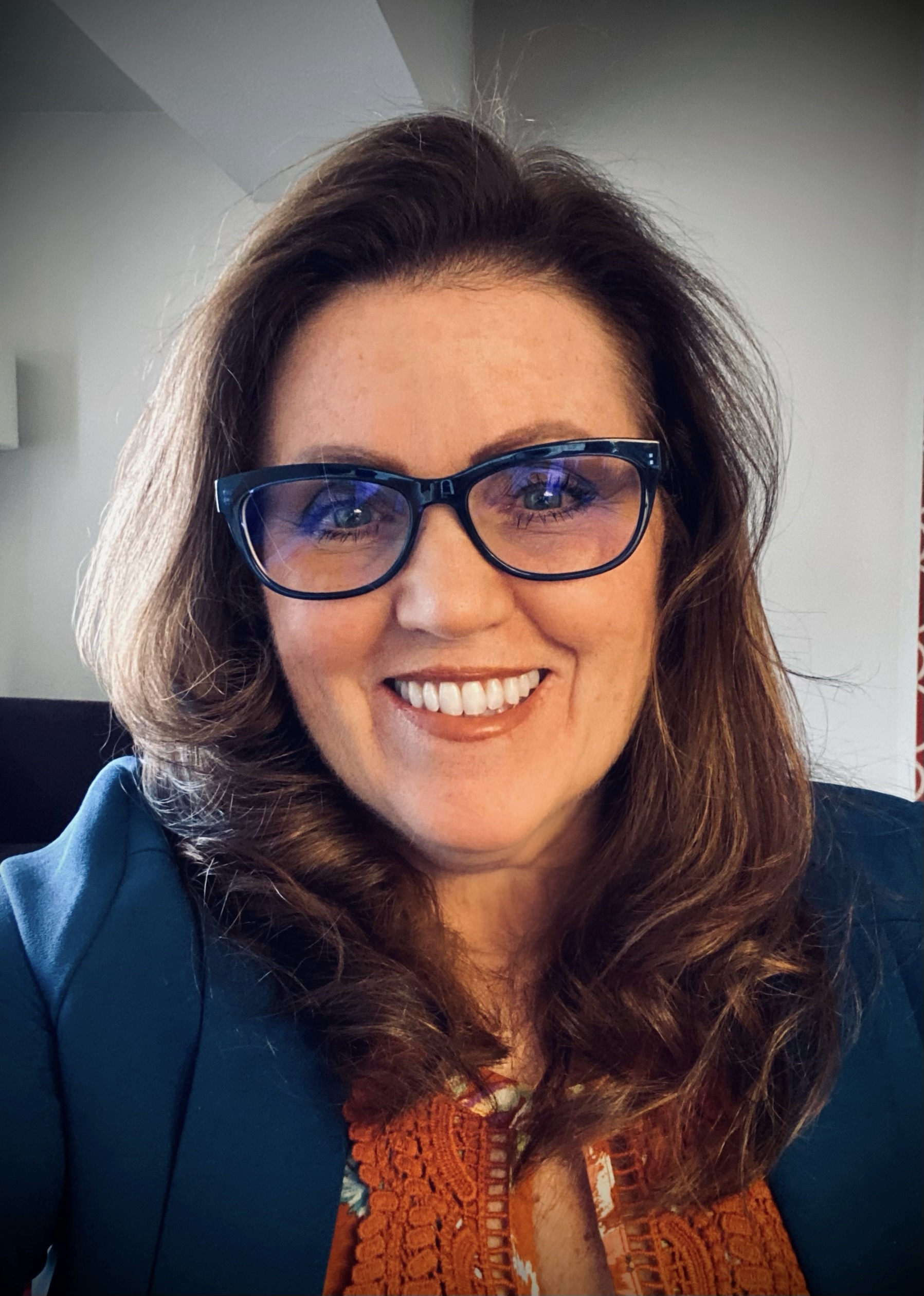
- Susan Wingrove BS, RDH
Prevention is KEY! Implant Maintenance, Home-Care, & Disease Treatment
Course Description:-
Preventing peri-implant complications by preserving the oxide layer on titanium implants is essential. Learn what clinicians need to know to prevent peri-implant complications based on Susan’s textbook: Peri-Implant Therapy for the Dental Hygienist: 2nd Edition. This course will provide clinicians the protocols to detect early signs of peri-implant disease, diagnose implant complications, and be able to provide treatment. Peri-Implant prevention starts with providing professional in-office assessment, maintenance, disease treatment, and home-care recommendations, vital for long-term implant success!
Learning Objectives:-
- Detect: Put into practice professional in-office assessment and monitor protocols for all forms of implant-borne restorations/ prosthesis patients.
- Diagnose: Early intervention guidelines for peri-implant disease based on EFP S3 Level Clinical Practice Guidelines and AAP 2018/2023 Classification.
- Treatment: Updated in-office professional implant maintenance, disease treatment, and home-care protocols for more predictable outcomes – peri-implantitis prevention.
Course Description:-
This course explores the integration of dental endoscopy and desiccation therapy to enhance minimally invasive periodontal treatment. Participants will learn how endoscopic technology improves diagnostic accuracy, aids in precise subgingival calculus removal, and complements desiccation therapy for superior clinical outcomes. Real-world case studies will be used to demonstrate practical applications and elevate patient care. Hygienists will gain strategies to expand their clinical expertise, increase professional opportunities, and position themselves as essential contributors to practice success.
Learning Objectives:-
- Review the evolution of dental endoscopy and its role in advancing minimally invasive periodontal therapy.
- Enhance diagnostic precision by visualizing and removing subgingival calculus with endoscopic technology.
- Understand the principles of desiccation therapy and how it complements endoscopic treatment for improved clinical outcomes.
- Evaluate real-world cases that highlight the integration of dental endoscopy and desiccation therapy in clinical practice.
- Explore how mastering dental endoscopy and desiccation therapy can empower hygienists, advance their careers, and position them as key contributors to practice growth and patient care.
- Kristen Ranaldo, RDH, BSDH
Transforming Hygiene Practice: Dental Endoscopy and Desiccation Therapy
- Anne O. Rice, RDH, BS, FAAOSH, CDP
The Silent Signals: Recognizing Systemic Risk Through Health Histories
Course Description:-
Every medical history tells a story—and often the most valuable clues are hidden in plain sight. Dental professionals review these records every day, yet subtle but critical “red flags” that reveal systemic risks affecting oral health—and oral conditions influencing overall health—are easy to miss.
This fast-paced, eye-opening course takes a deep dive into cardiovascular, metabolic, neurological, airway, immune, gastrointestinal, hematologic, and oncologic conditions, showing exactly how they connect to oral disease, microbial dysbiosis, and inflammatory pathways. Through compelling case connections and the latest research, attendees will learn how to interpret hidden warning signs, bridge the gap between oral and systemic health, and translate findings into actionable patient care. You’ll leave equipped with practical screening tools, evidence-based talking points that spark meaningful patient conversations, and interprofessional collaboration strategies that position dentistry as a vital link in whole-body health.
Learning Objectives:-
- Identify key medical history items that signal elevated oral–systemic health risk.
- Explain the pathophysiologic connections between systemic disease and oral disease.
- Recognize medication- and treatment-related factors that alter oral risk.
- Integrate medical history findings into treatment planning, prevention, and patient education.
- Apply red flag recognition in case-based scenarios to improve clinical decision-making.
Course Description:-
This course explores the importance of recognizing the need for comprehensive orthodontic intervention, and is focused on treatment of the adult dentition. For most patients their main dental experience is routine visits to the dental office for hygiene visits and annual exams. This is a critical time to recognize the need for orthodontic treatment and communicate those needs directly to the patient. This presentation will explore the conditions that benefit from orthodontic treatment, the common treatment modalities, and conditions often treated with clear aligners. Focus will be given to discussing how orthodontic treatment can improve the periodontal condition. Doctors and hygienists are encouraged to take an active role in communication with the patient about the importance of orthodontic treatment to prevent the need for additional restorative and periodontal treatment.
Learning Objectives:-
- Explore the conditions that benefit from orthodontic treatment, and the potential complications if left untreated.
- Discuss the role of orthodontics in improving the periodontal condition.
- Exposure the common treatment modalities for orthodontic treatment, and those conditions that are often treated with clear aligners.
- Acquire the knowledge necessary to discuss orthodontic treatment needs with patients and address patient questions and concerns.
- Discuss the role of hygiene in maintenance and prevention of dental disease in the orthodontic patient.
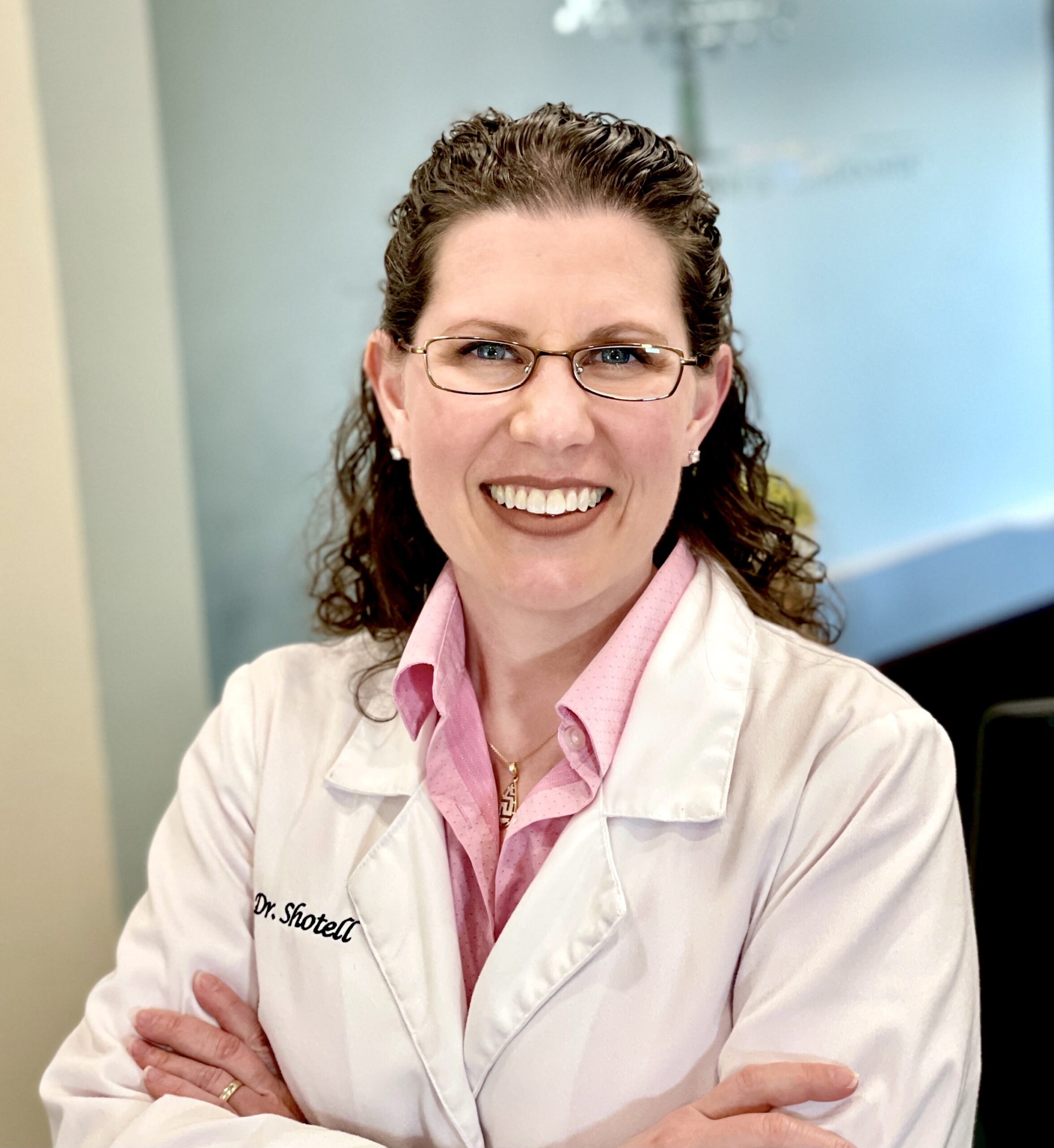
- Melissa D. Shotell, DMD, MS
3 Minute Orthodontic Evaluation in the Hygiene Chair Improving Orthodontic and Periodontal Health
- Rafael Rondon, RDH, BS
The Vital Signs of Dentistry: Aligning Patient Care with AAP & ADA Guidelines
Course Description:-
Providing the highest standard of care begins with a solid foundation in clinical assessment and accurate coding. This presentation revisits the fundamentals of periodontal evaluation and treatment planning through the lens of the American Academy of Periodontology (AAP) and the American Dental Association (ADA) guidelines. Participants will gain clarity on the criteria that differentiate health, gingivitis, and the various stages of periodontal disease — and learn how to apply these classifications confidently in daily practice. Beyond diagnostics, this course emphasizes the critical role of accurate and consistent CDT coding to ensure both compliance and optimal patient outcomes. Attendees will explore real-world scenarios, discover how to avoid common coding errors, and learn how proper documentation can elevate both patient trust and practice profitability. This session also dives into the importance of effective communication with patients about their periodontal health. By strengthening diagnostic confidence and verbal skills, providers can foster stronger patient relationships, increase treatment acceptance, and deliver care rooted in evidence-based standards. Whether you are a new clinician looking to build a strong foundation or a seasoned provider aiming to refine your skills, this course offers valuable tools and insights to help you practice
with clarity, precision, and confidence.
Learning Objectives:-
- Identify diagnostic criteria distinguishing health, gingivitis, and periodontal disease.
- Analyze patient assessments in alignment with AAP and ADA guidelines.
- Apply appropriate CDT codes based on the specific service provided.
- Compare treatment approaches for different stages of periodontal health and disease.
Course Description:-
Modern periodontal care requires the hygienist to synthesize clinical findings with technology-supported diagnostics and therapeutic modalities that enhance precision, efficiency, and patient outcomes. This session shifts beyond traditional protocols and explores how digital tools, advanced therapeutic technologies, and structured communication systems can elevate the hygienist’s role in collaborative diagnosis and care planning. Attendees will examine how to interpret multi-source clinical data, integrate technology into both nonsurgical therapy and maintenance, and communicate findings in a way that builds clarity, consistency, and treatment acceptance. This clinically focused course is designed for hygienists seeking to refine their expertise, strengthen interdisciplinary collaboration, and deliver predictable, technology- enhanced periodontal care.
Learning Objectives:-
- Synthesize clinical findings with technology-supported diagnostic data to enhance clarity, risk identification, and early detection of periodontal changes.
- Incorporate technology-driven therapeutic approaches into nonsurgical periodontal care to support improved healing dynamics, biofilm disruption, and long-term stability.
- Apply structured communication frameworks to present clinical findings and technology-based treatments in a way that improves patient understanding and acceptance.
- Streamline periodontal workflows by integrating digital documentation, data tracking, and interdisciplinary information-sharing systems to strengthen collaboration with the dentist and specialist.
- Lynn Atkinson, RDH
Laser Focused Connection: Where Technology, Communication, and Care Unite
- Lora Hooper, BSDH, RDH, EFDA
Decoding Saliva with Salivary Diagnostics
Course Description:-
From Data to Decisions: The 3-Step Protocol that Prevents Perio Relapse and Saves Implants.
Are you tired of seeing perio relapse after scaling and root planing, or frustrated by implants ailing despite your best efforts? This session will demonstrate how to break the cycle by utilizing salivary diagnostics to identify hidden risks. You’ll learn how to move from data to decisions with confidence using the 3-step protocol that prevents relapse, protects implants, and improves patient outcomes. By the end of the session, you will be able to turn complex test results into clear clinical workflows.
Learning Objectives:-
- Summarize who to test, how to test, and why to test.
- Interpret saliva test results in 30 seconds or less.
- Identify high-risk and implant-risk pathogens.
- Apply precision perio and implant protocols that improve outcomes and profitability.
Course Description:-
This presentation will cover the essential factors needed for long-term implant success by understanding the critical parameters of the soft tissue. Beginning with a case where these parameters were not respected. Then reviewing each parameter through individual cases, each with long term follow-up. Circling back to the failed case to illustrate each unmet parameter, providing a clear view of what to look for when evaluating your patients.
Learning Objectives:-
- You will learn the biologic reasons you do what you do.
- What and why necessary parameters are needed for health and stability.
- Learning from cases with long term follow up.
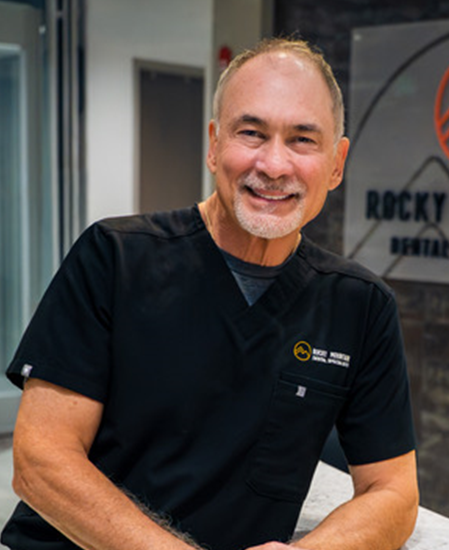
- Giles B. Horrocks, DDS, MS
Demystifying the Soft Tissue Seal Around Dental Implants: What Hygienists Need to Know About the Mucosa
REGISTRATION
Mailing Address
The Western Society of Periodontology
15436 N Florida Avenue, Suite 102,
Tampa, FL 33613
(813) 444-1011
tgoldman@wsperio.org