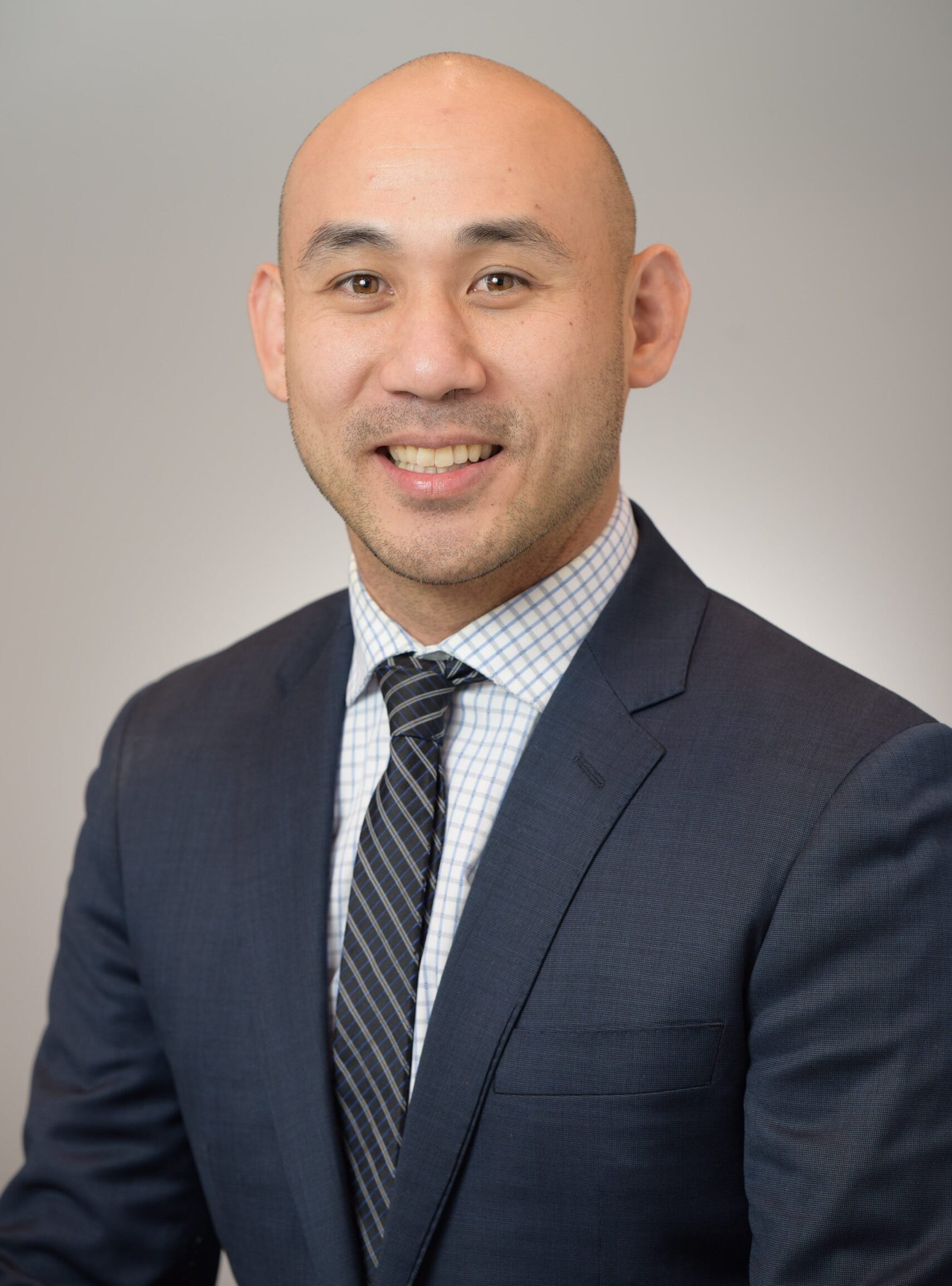
Advancements in scientific and clinical research have transformed how we address soft tissue and bone deficiencies around teeth, dental implants, and future implant sites. This presentation offers a comprehensive review of therapeutic objectives designed to enhance tissue stability, as well as functional and esthetic outcomes. A focal point is the VISTA (Vestibular Incision Subperiosteal Tunnel Access) technique, which entails cutting-edge principles in wound healing and oral plastic surgery. This presentation will explore evidence-based approaches such as phenotype modification therapy to increase mucosal thickness, as well as strategies for addressing bone and soft tissue deficiencies through staged and simultaneous approaches. Participants will gain actionable insights into how to pursue regenerative goals to improve periodontal and peri-implant health and stability while advancing patient outcomes.
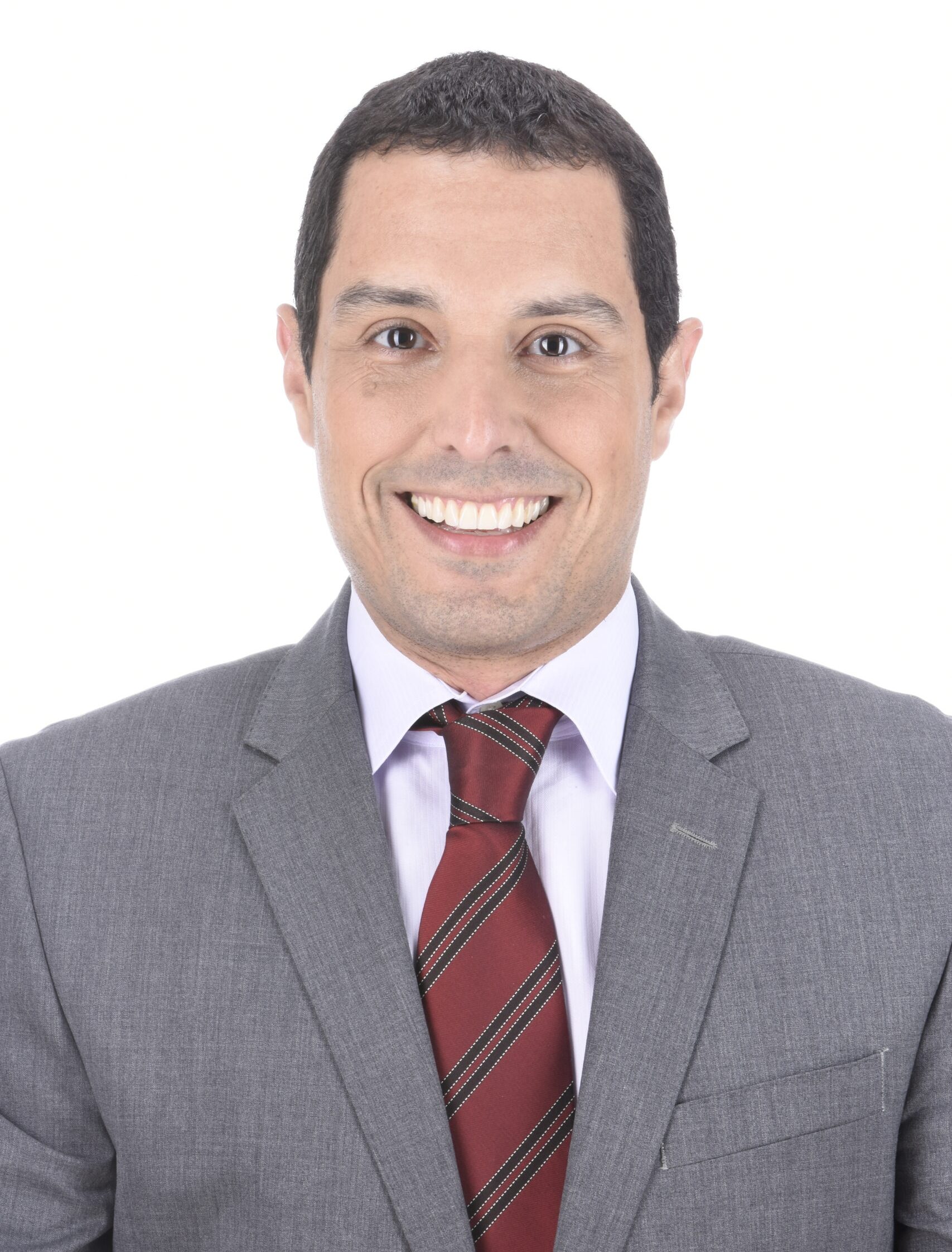
This comprehensive lecture presents a fully digital and clinically guided workflow for full-arch implant rehabilitation using the All-on-X concept. Drawing from decades of multidisciplinary experience, real clinical cases, and advanced digital prosthodontic protocols, the course walks participants through every phase of treatment—from diagnostic foundations to execution of complex surgeries and fabrication of definitive monolithic zirconia prostheses.
Beginning with diagnosis and risk assessment, the lecture explores causes of tooth loss, bone and tissue classifications (FP1–FP4), and their impact on treatment planning. Participants are introduced to dual-scan protocols, CBCT-based planning, esthetic analysis, and the integration of facially driven design principles. The lecture highlights the evolution of full-arch reconstruction, including bone-supported, tooth-supported, and stackable surgical guides, zygomatic and pterygoid implant approaches, and contemporary ridge-management strategies such as bone reduction, grafting, and Partial Extraction Therapy (PET).
A significant focus is placed on immediate loading, prosthetic conversion methods, intaglio design for cleansability, occlusal protocols, and the step-by-step transition from provisional PMMA prostheses to final monolithic zirconia restorations. Attendees will learn predictable, repeatable digital techniques that enhance surgical precision, reduce morbidity, and improve long-term outcomes.
By the end of this course, clinicians will understand how to orchestrate a fully guided interdisciplinary workflow to deliver high-strength, esthetic, and functional full-arch restorations with confidence.
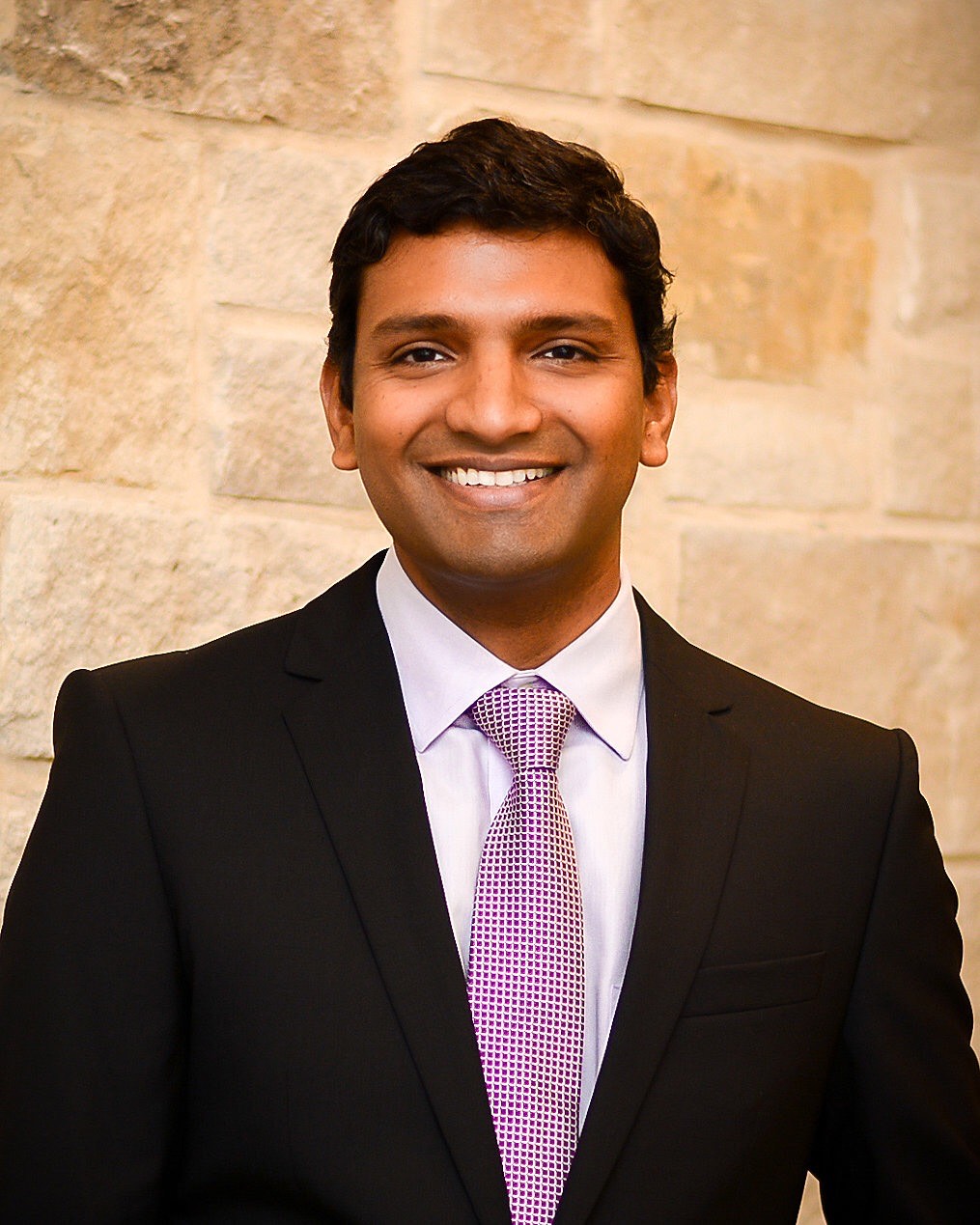


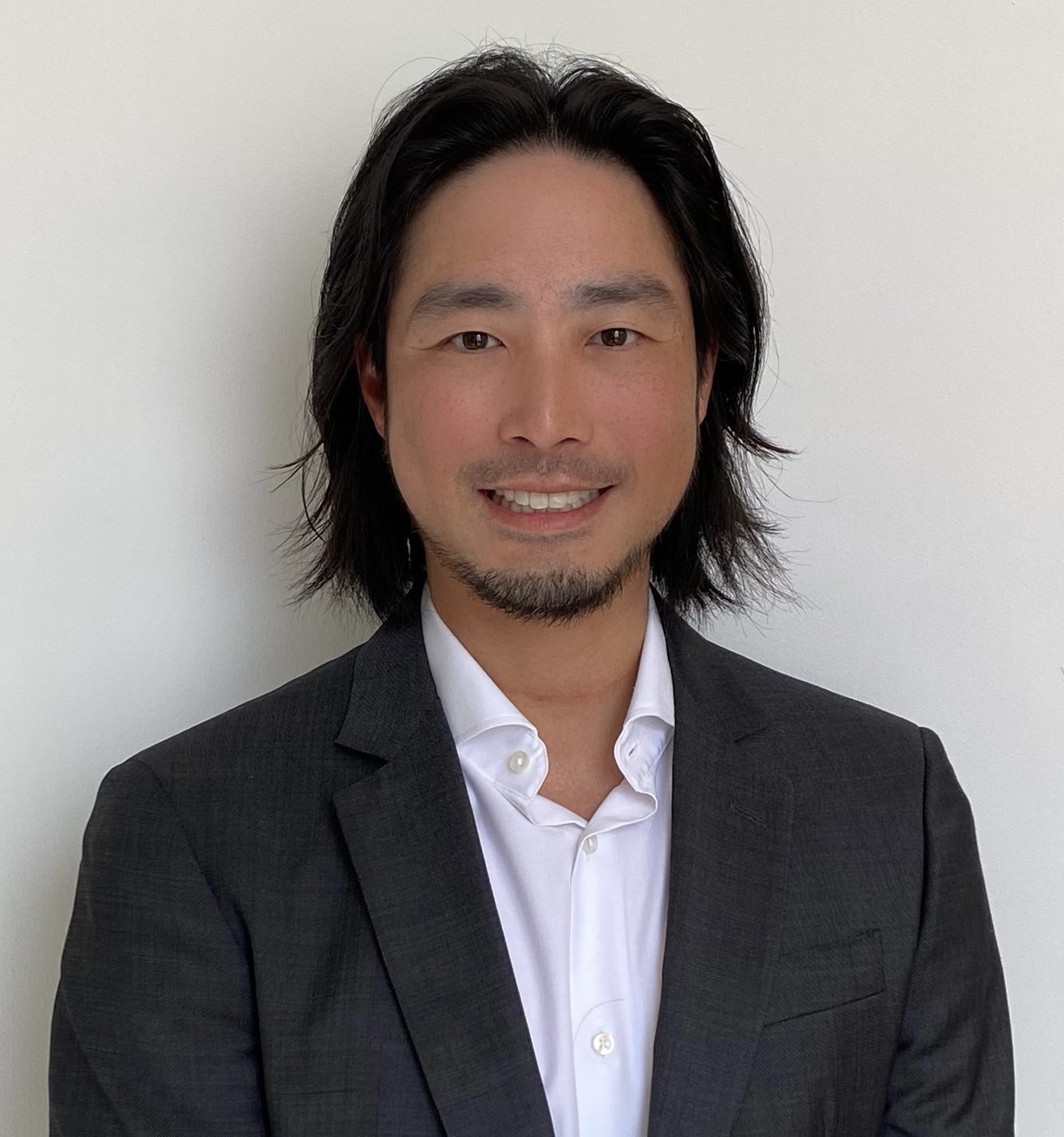
ponsored by: Maxxeus


This presentation will highlight new and evidence based modalities in current surgical-prosthetic treatment planning which ultimately leads to more accurate & predictable treatment implementation. Topics such as digital workflow, realistic AI utilization, restorative materials & design and guided surgery will be showcased. The main focus will be to show the realistic and thoughtful usage of various digital tools we have today.
Principles of the V.I.P.–VISTA technique
Impression Techniques & Precision Records
Step-by-step V.I.P.–VISTA protocol