2026 WSP COURSES

Complications from a Perio/Prosth Perspective

Course Description:-

The role of occlusion in the progression of periodontal disease will be examined, with attention to how excessive occlusal forces can contribute to periodontal breakdown. Common prosthetic complications that arise from occlusal discrepancies—such as material failure, implant complications, and accelerated wear of restorations—will be identified and discussed. Treatment planning principles will also be developed that integrate both periodontal and prosthetic considerations. These principles will emphasize the importance of achieving occlusal stability and planning restorations that accommodate potential future tooth loss.

Learning Objectives:-

  • Explain the role that occlusion plays in the progression of periodontal disease
  • Identify common prosthetic complications that result from occlusal discrepancies 
  • Develop treatment planning principles that integrate both periodontal and prosthetic considerations

Course Description:-

This comprehensive hands-on course focuses on the full spectrum of full-arch implant rehabilitation—from diagnostic planning and guided surgery to immediate conversion and final restorative workflows. Participants will learn how to consistently deliver high-quality, predictable “All-on-X–concept” restorations using streamlined, step-by-step procedures that can be implemented immediately upon returning to their practice. The goal is for each participant to leave confident and fully equipped to perform these procedures independently or to train their team in the complete process. This program teaches proven, time-saving strategies to increase efficiency, reduce complications, and enhance profitability while elevating clinical outcomes.

Learning Objectives:-

Conversion, PMMA Optimization & Final Prosthesis Protocols
  • Duplicate the converted restoration intraorally to create predictable records.
  • Modify PMMA provisionals to communicate essential design information to the laboratory.
  • Create precise occlusal jigs to minimize—or eliminate—adjustments during the final prosthesis appointment.
  • Duplicate and transfer all modifications, bite records, and prosthetic adjustments to the laboratory for fabrication of the final restoration.
By the end of this course, participants will be able to:
  1. Treatment Planning & Digital Workflow
    • Develop comprehensive treatment plans for full-arch implant cases.
    • Identify and utilize the correct tools, materials, and components required for the “All-on-X-concept.”
    • Communicate effectively with the laboratory to ensure proper preparation of surgical guides.
    • Capture accurate clinical photographs containing all required diagnostic information.

  2. Impression Techniques & Precision Records
    • Perform impression techniques that prevent misfitting, inaccuracies, and restorative failures.
    • Duplicate patient information for the laboratory using both digital and conventional workflows.
    • Understand the role and rationale of verification jigs and when they are truly necessary.
    • Execute scan/impression/photogrammetry procedures specific to the “All-on-X-concept.”
    • Capture the intaglio surface and transfer that information to the laboratory to facilitate accurate final prosthesis design.

  3. Conversion, PMMA Optimization & Final Prosthesis Protocols
    • Duplicate the converted restoration intraorally to create predictable records.
    • Modify PMMA provisionals to communicate essential design information to the laboratory.
    • Create precise occlusal jigs to minimize—or eliminate—adjustments during the final prosthesis appointment.
    • Duplicate and transfer all modifications, bite records, and prosthetic adjustments to the laboratory for fabrication of the final restoration.

Precision and Efficiency in the Planning, Surgical, and Final Restorative Phases of Full- Arch Implant Rehabilitation.

All-on-X: A Digital Guided Journey — From Planning to Final Prosthesis

Course Description:-

This comprehensive lecture presents a fully digital and clinically guided workflow for full-arch implant rehabilitation using the All-on-X concept. Drawing from decades of multidisciplinary experience, real clinical cases, and advanced digital prosthodontic protocols, the course walks participants through every phase of treatment—from diagnostic foundations to execution of complex surgeries and fabrication of definitive monolithic zirconia prostheses.

Beginning with diagnosis and risk assessment, the lecture explores causes of tooth loss, bone and tissue classifications (FP1–FP4), and their impact on treatment planning. Participants are introduced to dual-scan protocols, CBCT-based planning, esthetic analysis, and the integration of facially driven design principles. The lecture highlights the evolution of full-arch reconstruction, including bone-supported, tooth-supported, and stackable surgical guides, zygomatic and pterygoid implant approaches, and contemporary ridge-management strategies such as bone reduction, grafting, and Partial Extraction Therapy (PET).

A significant focus is placed on immediate loading, prosthetic conversion methods, intaglio design for cleansability, occlusal protocols, and the step-by-step transition from provisional PMMA prostheses to final monolithic zirconia restorations. Attendees will learn predictable, repeatable digital techniques that enhance surgical precision, reduce morbidity, and improve long-term outcomes.

By the end of this course, clinicians will understand how to orchestrate a fully guided interdisciplinary workflow to deliver high-strength, esthetic, and functional full-arch restorations with confidence.
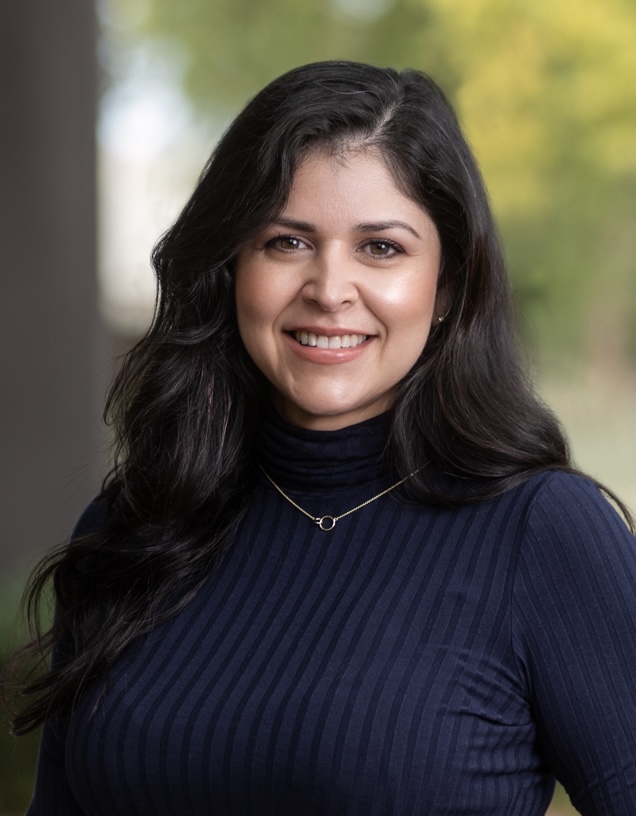
Learning Objectives:-

  • 1. Understand and apply a comprehensive diagnostic and digital planning workflow for full-arch rehabilitation.
    A complete approach to evaluating tooth loss, classifying bone and tissue conditions (FP1–FP4), and using CBCT, dual-scan data, and facially driven esthetic analysis to create predictable All-on-X treatment plans.
  • 2. Implement guided surgical approaches for predictable implant placement in complex full-arch cases.
    Training in bone-supported, tooth-supported, and stackable guide systems, bone-reduction protocols, and advanced zygomatic/pterygoid implant strategies to ensure stable immediate loading.
  • 3. Execute prosthetic conversion and deliver durable, cleansable, and esthetic definitive restorations.
    Understanding immediate provisionalization, ideal intaglio and occlusal design, and the transition from PMMA temporaries to strong monolithic zirconia, ensuring long-term function and maintenance.

Course Description:-

Natural teeth offer unique biological, functional, and psychological advantages that no prosthesis can fully replace. This session we will explore how periodontists and endodontists can work together to preserve teeth that might otherwise be lost. Emphasis is placed on practical diagnosis of complex root and root-surface defects, realistic assessment of prognosis, and coordinated endodontic–periodontal treatment sequences that support long-term retention—without overpromising outcomes to patients.

Learning Objectives:-

  • Current evidence on the long-term survival of endodontically treated teeth and key prognostic factors relevant to periodontal practice.
  • Diagnose and differentiate complex root and root-surface conditions, and outline appropriate endodontic and periodontal treatment options that support long-term
    retention of these teeth.
  • Plan coordinated treatment sequences that combine endodontic procedures with periodontal procedures in order to maintain natural teeth where biologically and
    functionally feasible.
  • Evaluate and maintain preserved teeth over time by recognizing clinical and radiographic signs of healing, stability, or deterioration, and using these findings to decide when continued tooth preservation is appropriate and when transition to alternative options should be considered.

Perio–Endo Synergy: Collaborative Strategies for Keeping Natural Teeth

TMD - Beyond Clicking and Clenching

Course Description:-

This course offers a practical overview of temporomandibular disorders (TMD) and their frequent overlap with headaches, migraines, and cervical musculoskeletal conditions. Participants will explore how these interconnected conditions shape clinical presentations and why accurate diagnosis is crucial before starting treatment. The session highlights the multifactorial nature of TMD and emphasizes contributing and perpetuating factors beyond bruxism alone. Attendees will leave with a clearer framework for evaluating and managing patients with TMD in everyday clinical practice, including when to treat conservatively and when to consider referral.

Learning Objectives:-

By the end of this course, participants will be able to:

  •  Describe the definitions and clinical features of TMD and its common comorbidities, including
    headaches, migraines, and cervical musculoskeletal symptoms.
  • Explain the multifactorial nature of TMD, recognizing how overlapping contributing and perpetuating factors extend beyond bruxism.
  • Identify essential diagnostic and management considerations, including when to initiate conservative care and when referral to an orofacial pain specialist is warranted.

Course Description:-

Poor metabolic health can cause irreversible damage to the periodontium. Dental Teams trained to identify oral signs of metabolic disease can offer the opportunity to partner with their patients to help them achieve optimal oral and whole-body health.

Dental providers who identify oral signs of metabolic dysfunction can inform, educate, and develop ideal dental health treatment plans that reduce risk for tooth loss and support patients’ overall health and longevity.

Learning Objectives:-

Upon completion of this session, attendees should be able to:

  • What is metabolic dysfunction?
  • Why Metabolic Dysfunction matters to the dental team.
  • Identify oral and systemic signs and symptoms of metabolic disease.
  • Identify what dental teams can do to help their patients achieve optimal oral, systemic and metabolic health.

Metabolic Dysfunction and Periodontal Disease

Incorporating Biologics for Predicable Implant Therapy

Course Description:-

This lecture focuses on the clinical integration of BioXclude®, a bioactive amniotic–chorion barrier membrane, to achieve predictable implant outcomes. Participants will understand the biologic benefits, handling characteristics, and step-by-step protocols for using BioXclude in site preservation, ridge augmentation, and peri-implantitis therapy, supported by real clinical cases
and evidence-based principles.

Learning Objectives:-

  • Understand the biologic properties and clinical advantages of amniotic–chorionic membranes (BioXclude®) in regenerative implant therapy.
  • Learn step-by-step surgical protocols for integrating BioXclude into site preservation, ridge augmentation, and peri-implantitis treatment.
  • Recognize how bioactive membranes enhance healing, soft-tissue quality, and overall predictability through case-based examples and evidence-based principles.

Course Description:-

During the lecture, we will describe the pillars of esthetic Perimplantology:
i. prosthetically-driven implant placement;

ii. Esthetic tissue reconstruction (bone and soft tissue);

iii. prosthetic management. We will also describe the decision tree for whether to place immediate implants or socket preservation at fresh sockets, and present cases to demonstrate those strategies. On the other hand, in case those 3 pillars are not observed at the time of implant placement, esthetic and/or biological complications may occur. We will, therefore, depict a decision tree to preserve that implant and solve the case using soft tissue grafts, or remove the implant, followed to bone/soft tissue reconstruction for a late new implant placement.

Learning Objectives:-

identify risk factors that shall lead to complications; management and prevention of those complications; understand the step-by-step of the decision trees presented.

Preventing and Solving esthetic/biological complications at implant-supported restorations: ImplantePerio decision trees

Incorporating Biologics for Predicable Implant Therapy

Course Description:-

This lecture focuses on the clinical integration of BioXclude®, a bioactive amniotic–chorion barrier membrane, to achieve predictable implant outcomes. Participants will understand the biologic benefits, handling characteristics, and step-by-step protocols for using BioXclude in site preservation, ridge augmentation, and peri-implantitis therapy, supported by real clinical cases
and evidence-based principles.

Learning Objectives:-

  • Understand the biologic properties and clinical advantages of amniotic–chorionic membranes (BioXclude®) in regenerative implant therapy.
  • Learn step-by-step surgical protocols for integrating BioXclude into site preservation, ridge augmentation, and peri-implantitis treatment.
  • Recognize how bioactive membranes enhance healing, soft-tissue quality, and overall predictability through case-based examples and evidence-based principles.

Course Description:-

During the lecture, we will describe the pillars of esthetic Perimplantology:
i. prosthetically-driven implant placement;

ii. Esthetic tissue reconstruction (bone and soft tissue);

iii. prosthetic management. We will also describe the decision tree for whether to place immediate implants or socket preservation at fresh sockets, and present cases to demonstrate those strategies. On the other hand, in case those 3 pillars are not observed at the time of implant placement, esthetic and/or biological complications may occur. We will, therefore, depict a decision tree to preserve that implant and solve the case using soft tissue grafts, or remove the implant, followed to bone/soft tissue reconstruction for a late new implant placement.

Learning Objectives:-

identify risk factors that shall lead to complications; management and prevention of those complications; understand the step-by-step of the decision trees presented.

Preventing and Solving esthetic/biological complications at implant-supported restorations: ImplantePerio decision trees

The Anterior Edit: The Art of Invisibility in the Esthetic Zone

Course Description:-

This lecture explores the subtle decisions and refined techniques behind minimally invasive soft tissue management in the anterior zone. Framed through the art of invisibility, it focuses on how to create seamless esthetic outcomes around both teeth and implants using precise, biologically respectful interventions.Through the lens of microsurgery and clinical photography, we will decode how to influence tissue architecture with minimal trauma and maximum precision, while preserving the natural harmony of the smile. Designed for clinicians who want to elevate anterior outcomes while minimizing disruption, this session highlights surgical finesse, planning discipline, and the invisible edits that make all the difference. This lecture explores the subtle decisions and refined techniques behind minimally invasive soft tissue management in the anterior zone. Framed through the art of invisibility, it focuses on how to create seamless aesthetic outcomes around both teeth and implants using precise, biologically respectful interventions.

Through the lens of microsurgery and clinical photography, we will decode how to influence tissue architecture with minimal trauma and maximum precision, while preserving the natural harmony of the smile. Designed for clinicians who want to elevate anterior outcomes while minimizing disruption, this session highlights surgical finesse, planning discipline, and the invisible edits that make all the difference.

Learning Objectives:-

  • Explore minimally invasive approaches to soft tissue enhancement in the esthetic zone, with an emphasis on biologic preservation and patient comfort.
  • Understand the impact of magnification and design thinking in achieving natural, stable, and seamless outcomes.
  • Recognize key strategies for managing tissue contours and transitions around implants and natural teeth in high-demand anterior cases.

Course Description:-

This course provides an overview of where periodontal and peri-implant bone regeneration stands today and where it is heading. We will begin with a review and critical appraisal of current evidence on biomaterials, membranes, biologics, and surgical protocols for periodontal and peri-implant bone regeneration, with an emphasis on defect-driven decision making for intrabony, peri-implant, lateral ridge, and vertical defects. Building on this foundation, emerging regenerative strategies will be introduced, including experimental extracellular vesicle and exosome therapies, newer applications of 3D printed scaffolds and custom meshes, and advanced digital workflows that more fully integrate CBCT, CAD/CAM planning, and guided bone regeneration. The discussion will highlight not only the promise of these innovations but also the key translational gaps that currently limit routine clinical adoption, such as standardization, regulation, cost-effectiveness, and long-term outcomes. Finally, the course will outline the growing role of digital imaging and artificial intelligence in regenerative dentistry, illustrating how AI-assisted diagnostics, defect analysis, and decision support tools can enhance case selection, risk stratification, and outcome monitoring, and help clinicians move from technique-centered to data-informed regenerative care.

Learning Objectives:-

  • Critically appraise current evidence on biomaterials, membranes, biologics, and surgical protocols for periodontal and peri-implant bone regeneration in the context of defect-specific treatment planning.
  • Describe emerging regenerative directions such as extracellular vesicle and exosome therapies, 3D printed scaffolds and meshes, and advanced digital workflows, and identify key translational gaps that currently limit routine clinical adoption.
  • Explain how AI assisted diagnostics, defect analysis, and decision support tools can enhance case selection, risk stratification, and outcome monitoring for regenerative procedures.

Next Generation Regeneration: From Biomaterials to AI in Periodontal and Implant Therapy

Hands-On COURSES

Hands-on: 3D ridge reconstruction

Course Description:-

During the hands-on session the main objective is to practice the step-by-step of this extremely challenging and sensate technique: 3-dimentional ridge augmentation. More over, prior to the practice we will review the most relevant aspects of the technique (incision design, flap management, role of the tennis-screws and decortication, biomaterial selection, membrane stabilization, and suture).

Learning Objectives:-

understand the anatomically-driven selection of membranes/biomaterials; identify the risk factors leading to failures; learn the concept of the so-called “sausage technique”.

REGISTRATION

Member Registration

Coming Jan 15, 2026

Non-Member Registration

Coming Jan 15, 2026